
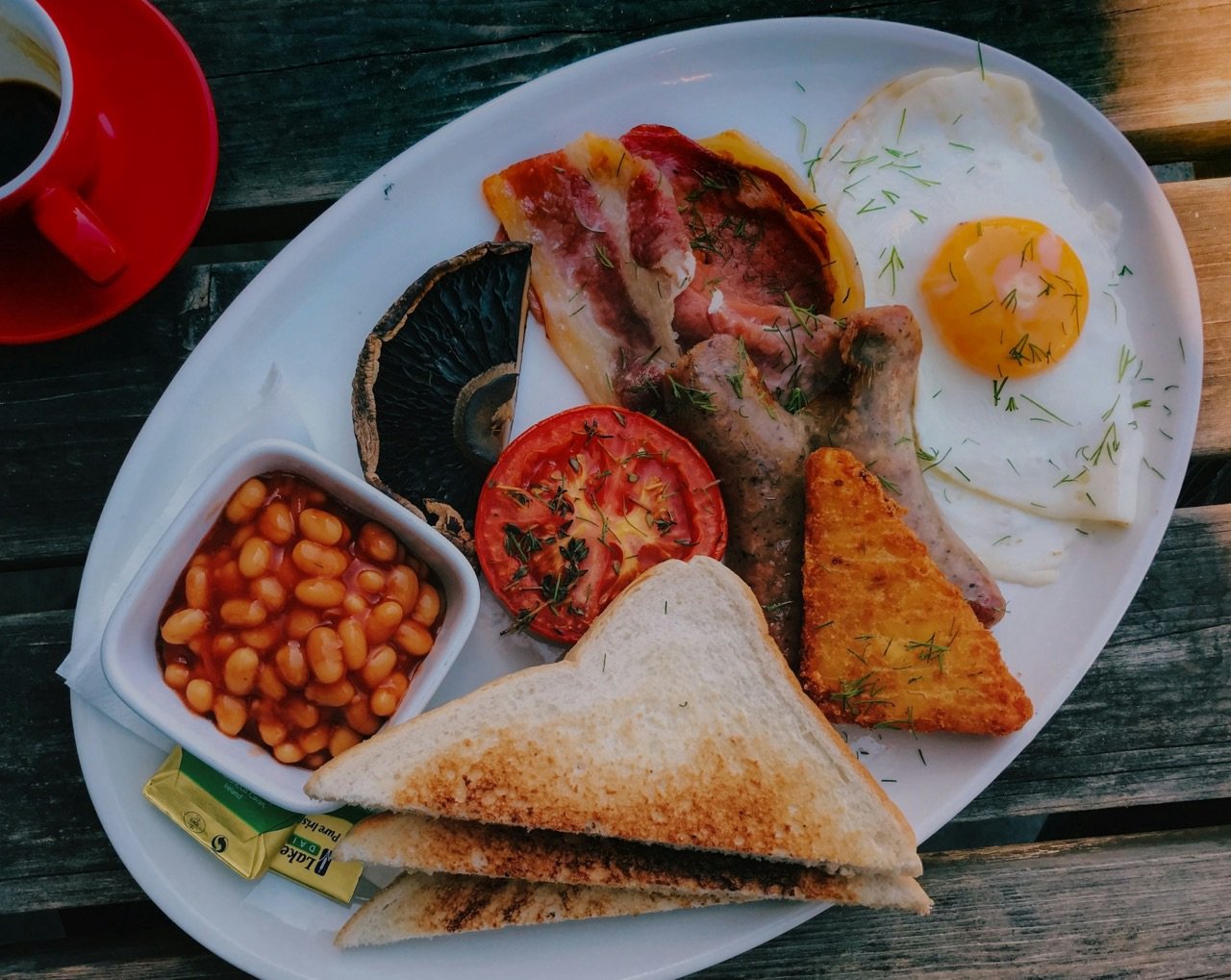
Few meals are as iconic—or as unapologetically hearty—as the Full English Breakfast. Whether you’re fuelling up for a long day, curing the aftermath of a big night, or simply indulging in a weekend ritual, the “Full English” is more than just food—it’s a cultural institution.
In this guide, we’ll break down everything you need to know: what goes into it, how to cook it properly, regional variations, and how to elevate it from greasy spoon to gourmet.
What Is a Full English Breakfast?
At its core, a Full English is a cooked breakfast made up of several savoury components, traditionally served hot and fresh from the pan. It’s designed to be filling, balanced (in its own way), and deeply satisfying.
The Classic Components
A proper Full English typically includes:
– Back bacon – thicker and meatier than streaky bacon
– Sausages – pork sausages, ideally high meat content
– Eggs – usually fried, but scrambled or poached are acceptable
– Baked beans – in tomato sauce
– Grilled tomatoes – halved and lightly charred
– Mushrooms – fried or grilled
– Black pudding – a rich, savoury blood sausage
– Toast or fried bread – for structure and soaking up juices
Optional extras often include:
– Hash browns
– Bubble and squeak
– White pudding (more common in Ireland)
The Art of Cooking a Proper Full English
A great Full English isn’t just about ingredients—it’s about timing, balance, and technique.
1. Start with the Sausages
Sausages take the longest, so get them in the pan first on medium heat. Cook slowly to ensure they’re browned outside and cooked through inside.
2. Add Bacon
Cook bacon until it’s slightly crisp but still tender. Avoid overcooking—it shouldn’t shatter.
3. Black Pudding Next
Slice thick and fry gently. It should develop a crisp outer edge while staying soft inside.
4. Mushrooms & Tomatoes
Cook mushrooms in butter or oil until browned and slightly caramelised. Tomatoes should be grilled or pan-fried cut-side down until softened.
5. Beans (Don’t Rush Them)
Heat gently in a saucepan—don’t boil aggressively. A slow simmer thickens the sauce and improves flavour.
6. Eggs Last
Fry eggs to your liking. For a classic finish: crispy edges, runny yolk.
7. Bread Options
– Toast: clean and simple
– Fried bread: indulgent and traditional (fried in leftover bacon fat)
Pro Tips for Elevating Your Full English
– Quality matters: cheap sausages and bacon will ruin the experience
– Season lightly: many components are already salty
– Don’t overcrowd the pan: cook in stages if needed
– Balance textures: crispy, soft, juicy, and rich should all be present
– Keep it hot: serve immediately or warm plates beforehand
Regional Variations
The Full English has cousins across the UK and Ireland, each with its own twist:
– Full Scottish: includes tattie scones and often haggis
– Full Irish: adds white pudding and soda bread
– Full Welsh: may feature laverbread (seaweed) and cockles
Each version reflects local produce and tradition—but the spirit remains the same: a proper, filling start to the day.
Is It Healthy?
Let’s be honest—it’s not a light meal. But it can be balanced:
– Grill instead of fry where possible
– Use leaner sausages
– Add more vegetables
– Control portion sizes
Think of it as an occasional ritual rather than a daily habit.
When to Eat a Full English
– Weekend mornings
– Brunch with friends
– Hangover recovery
– Pre-travel fuel
– Anytime you want comfort on a plate
Final Thoughts
The Full English Breakfast isn’t just about food—it’s about slowing down, sitting properly, and enjoying something deeply satisfying. Done right, it’s a celebration of simple ingredients cooked well.
Whether you’re making one at home or ordering it at your local café, knowing what makes a great Full English transforms the experience from average to exceptional.
So next time you sit down to one, don’t just eat it—appreciate it.
—